Preschoolers are little balls of energy and harnessing that movement inside is one of the best ways to create peace in the home. But what are the best ways to encourage a preschooler to engage in inside movement without them dumping all their toys on the ground?
Whether due to weather, limited outdoor space, or indoor obligations, it is often necessary for preschoolers to have some of their movement time inside rather than outside. For preschoolers, moving their bodies is not just about getting their wiggles out, it is also about the development of gross motor skills, fine motor skills, spatial awareness, and proprioceptive development. Planning and facilitating movement time inside the home allows parents to control what it looks like and when it happens.
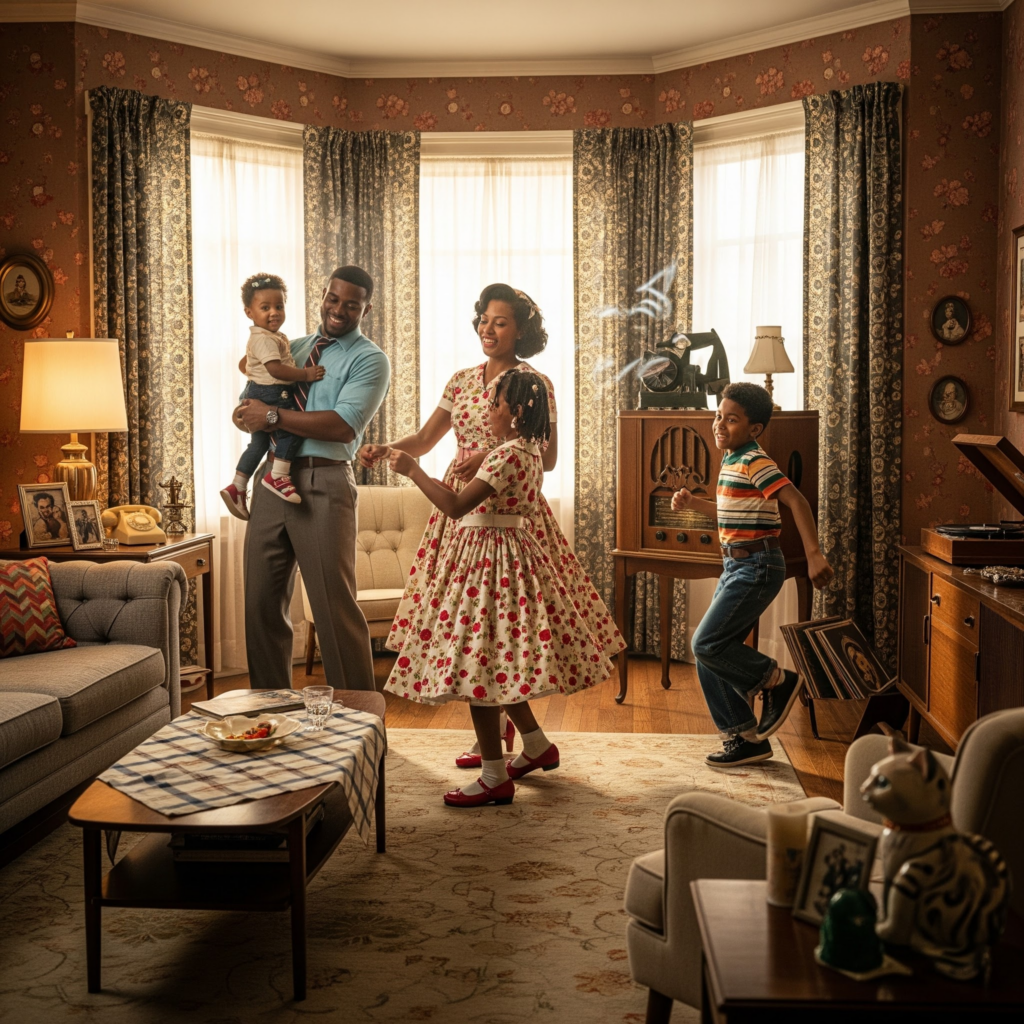
Movement time is a time for your child to have fun moving their body through dance, games, active play or active toys. This is a great time to connect with your child and have fun with them by joining in with dancing or games. Setting up active play or utilizing active toys can also be a great time for getting other things done while your child is engaged and moving. Here are some ways to do that.
Organized Movement Inside for Preschoolers
The first way to promote movement is through dancing. Turn on some music and have a dance party. There is no special equipment needed, just a phone or radio. You can even make your own music. Your child can make music and dance at the same time if holding shaky eggs or a tambourine. Dance moves the whole body, is great for getting your heart rate up, and is easy to get started. Holding a dance party for the whole family is a fun way to get your young child’s wiggles out while learning about music, rhythm and keeping a beat. Dance and music are irreversibly linked and can be used together to develop a child’s love and enjoyment of both. Set a timer for 15 to 20 minutes and have some fun together.
Movement Games
The second way to get your child moving is through movement games like tag, London Bridges, Drive the Firetruck, or any active indoor game. Movement games can come from a book, or your imagination. They can look different for every family. There is no one right way as long as everyone is moving their bodies. For each game, set a timer for how long you want to play. The timing of the game should be set beforehand to set up expectations and emotions for transitions. These games can be lots of fun and children may struggle transitioning away from them. Setting up expectations beforehand can help avoid this. Using a visual timer can be helpful for those children that need something more concrete.
Example: London Bridges
Let’s look at London Bridges. You are singing a song, going round and round under the bridge until the bridge catches you. If playing it with one adult and one child, you can use a broom handle or jump rope to create a bridge, or the adult can be the bridge, and the child goes round and round till they are “caught.” This can be a running, walking, crawling or slithering game. There are many active fun games you can play with your child to get them moving and smiling indoors with very little money spent.
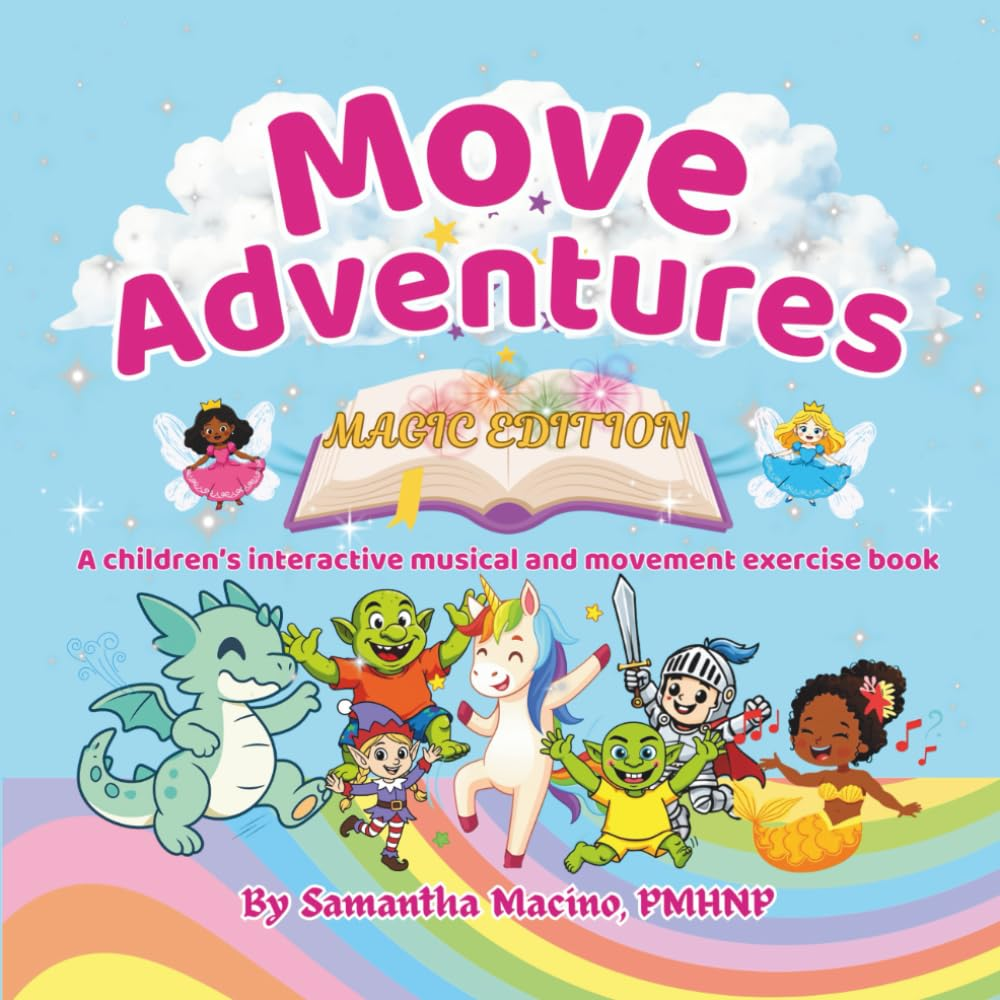
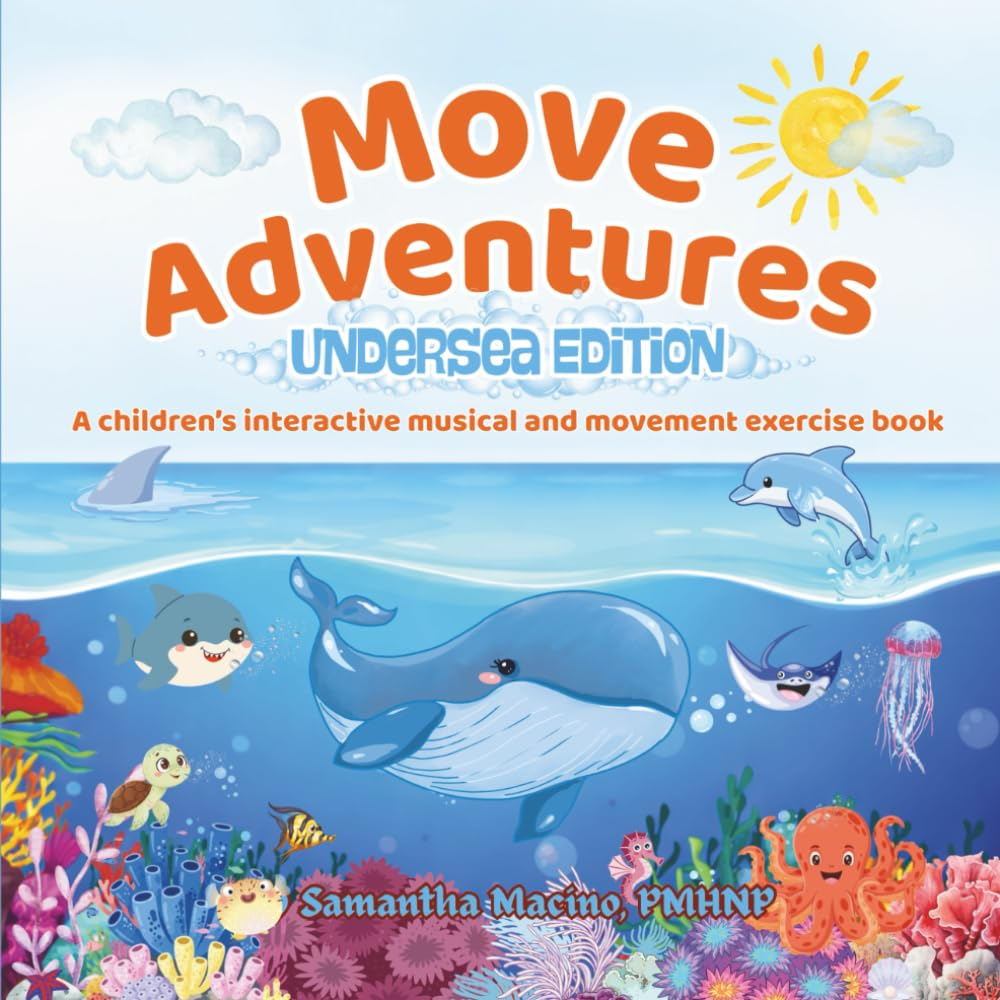
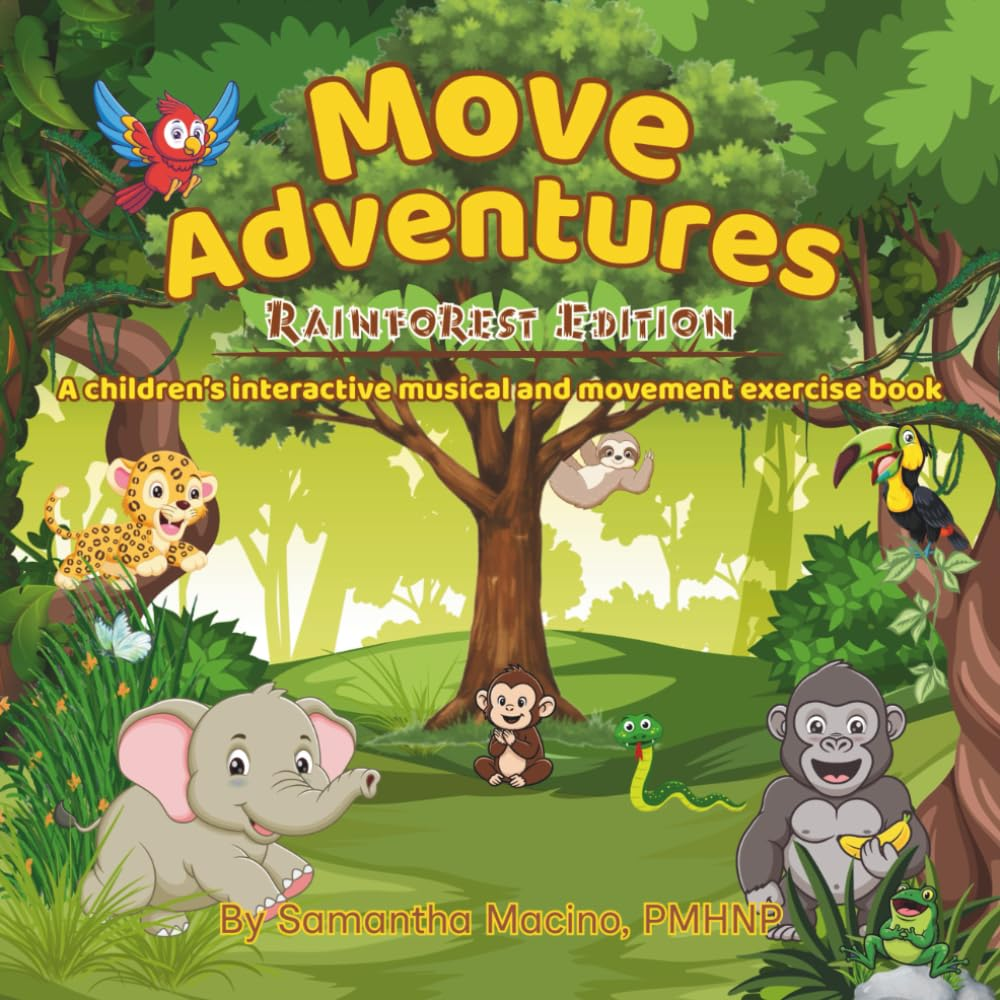
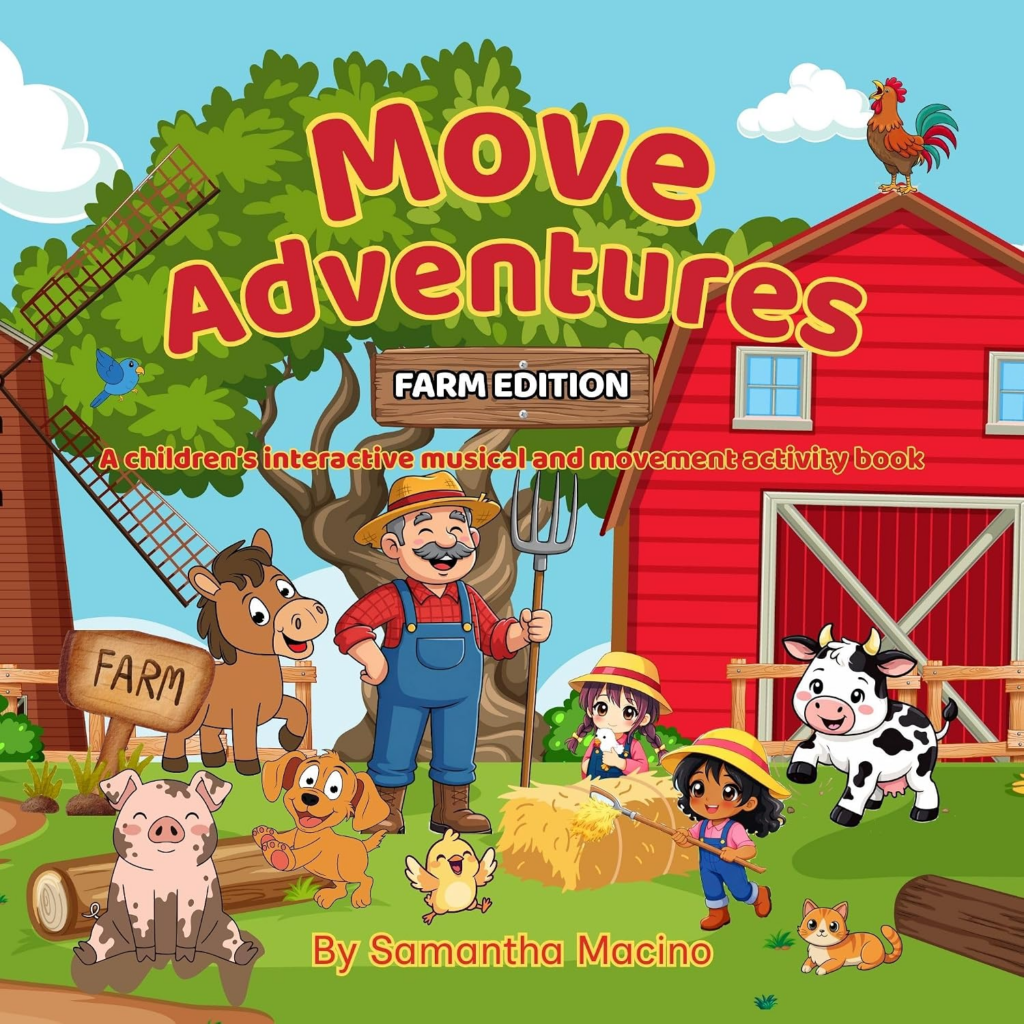
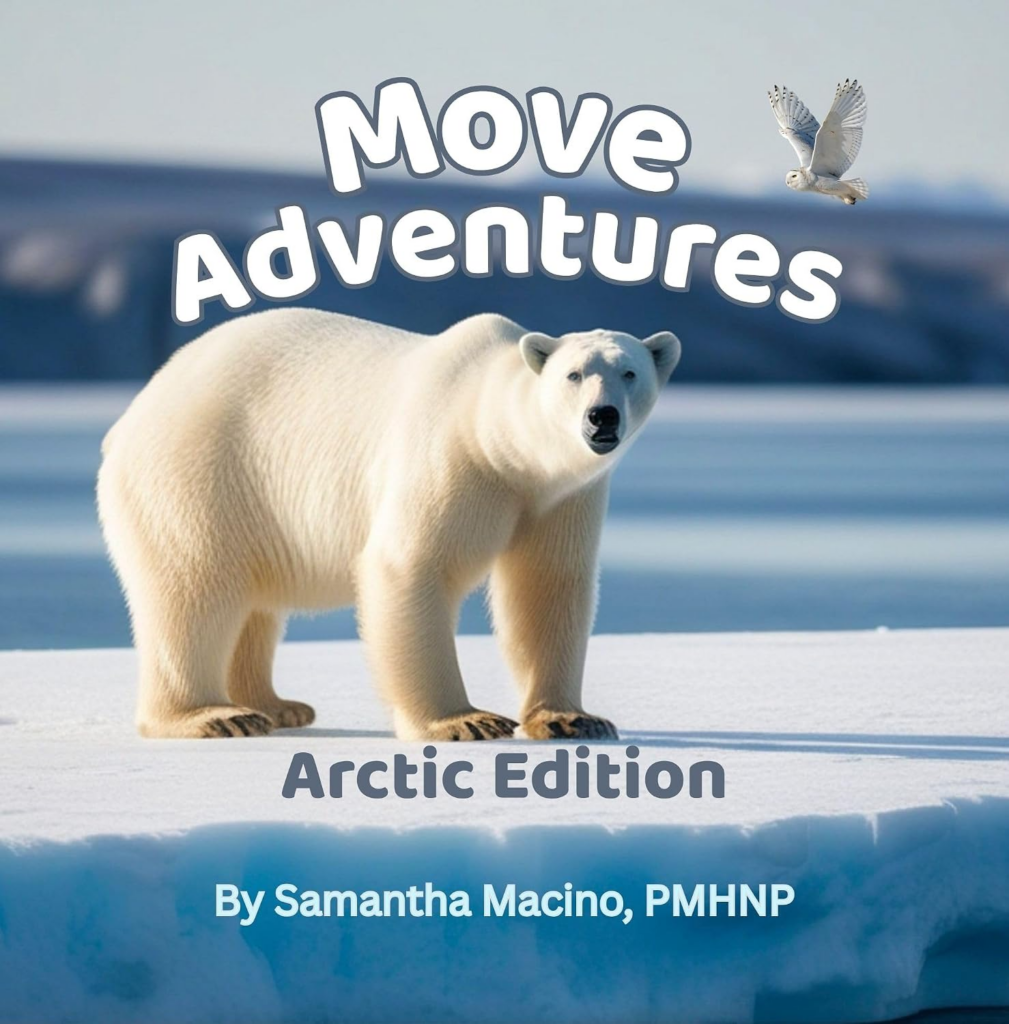
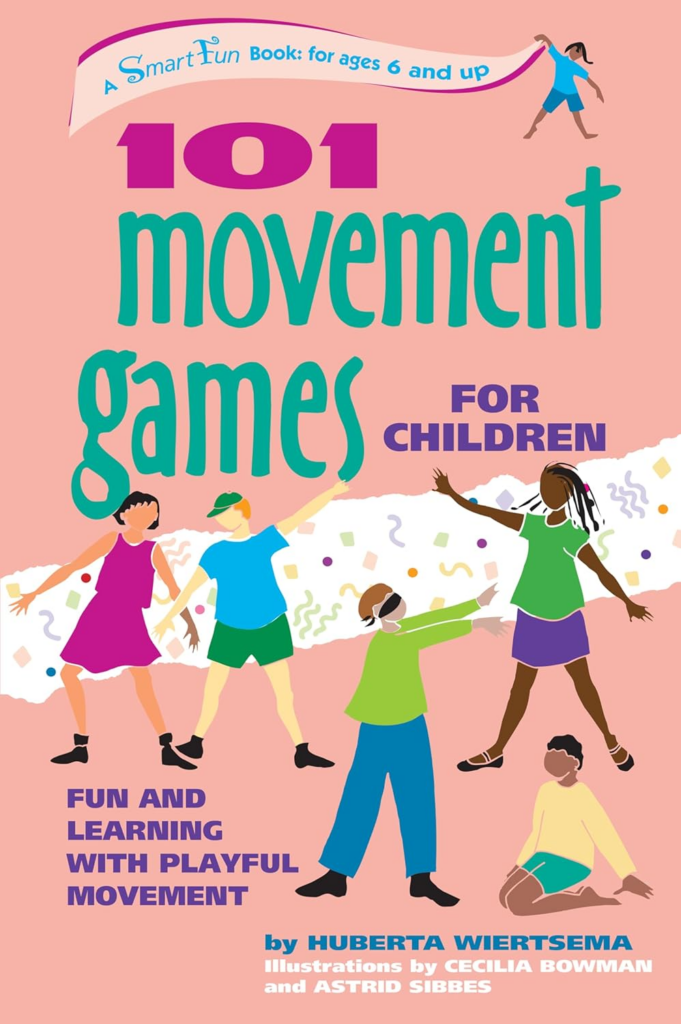
If you need inspiration, these are some fun books to help get your children moving. There are five different themes in this book set to pick from. Pick the one that will appeal to your individual child. They are great for ages 2-10. If you would like a book to assist you in figuring out more traditional movement games to play with your child, 101 Movement Games is a great, affordable book off Amazon for ideas. It will work for a larger age range for children from 2-12, possibly older.
Active Play with Indoor Toys
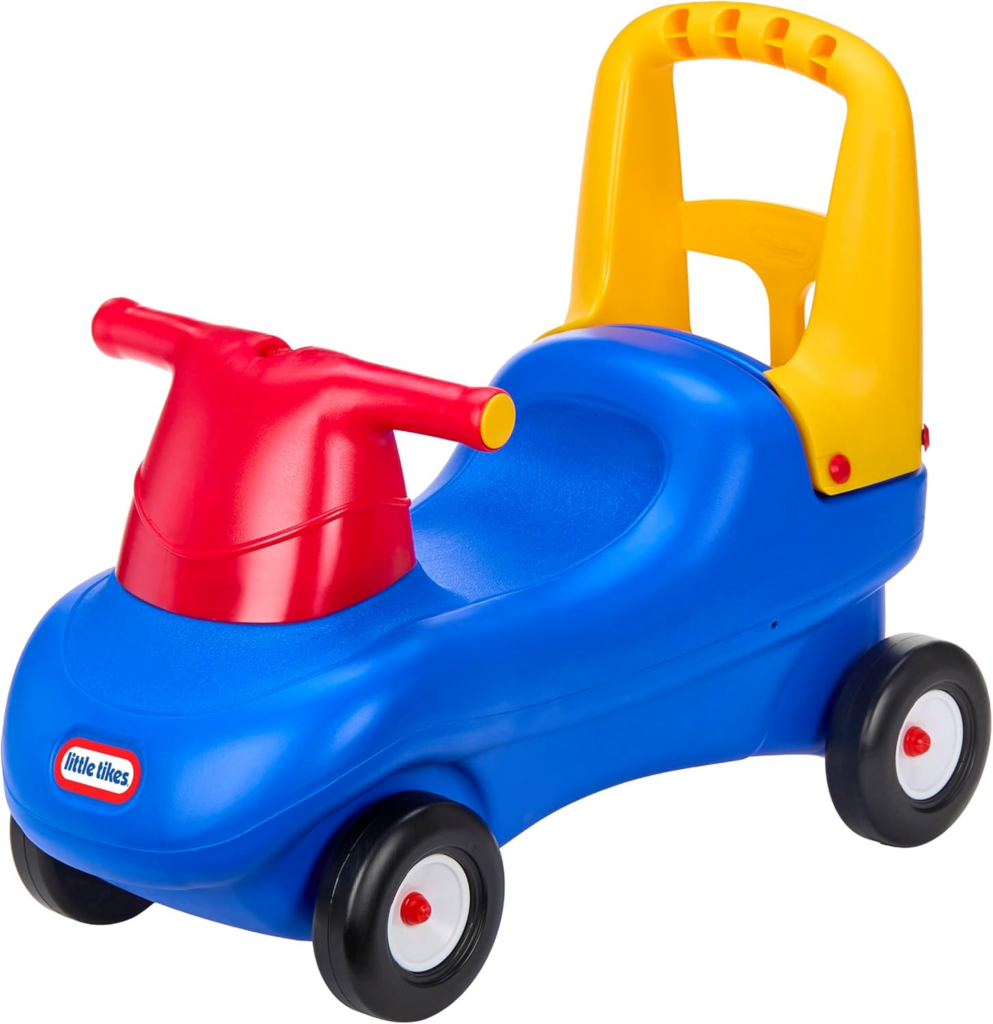
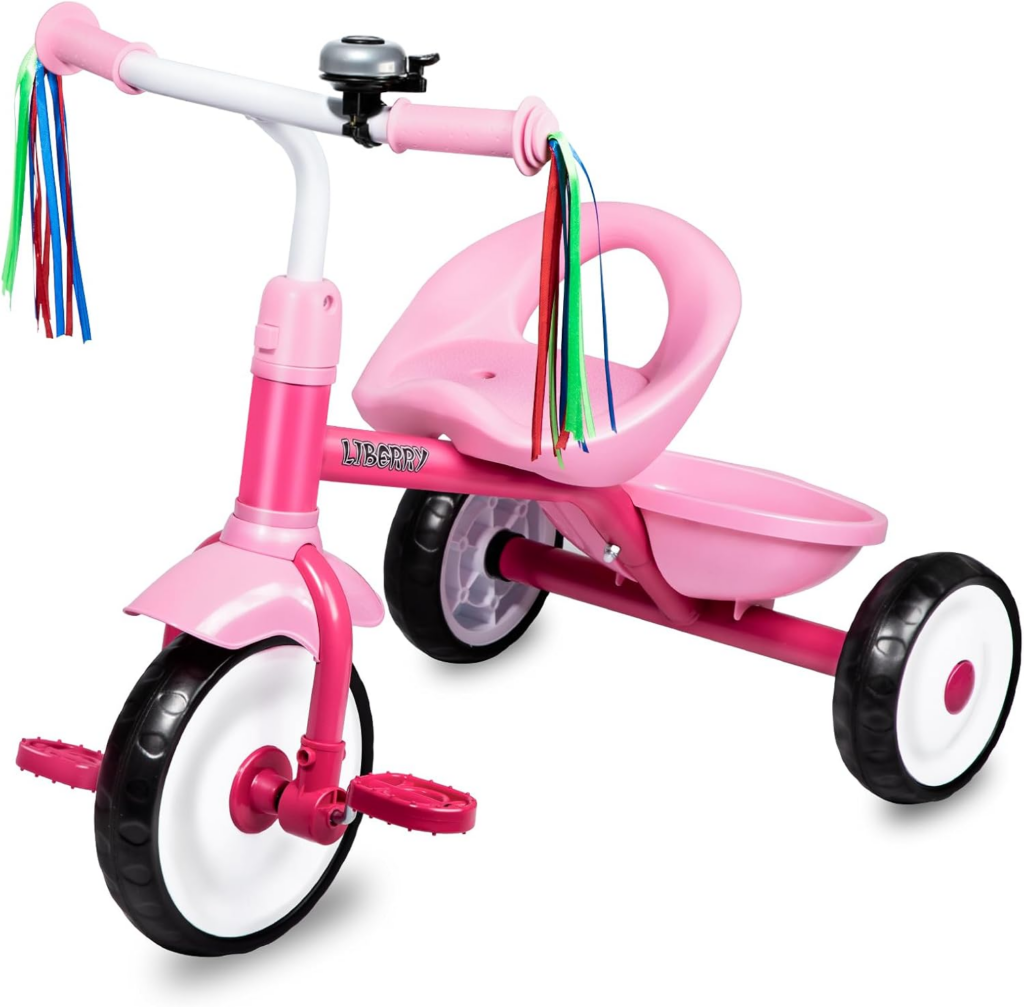
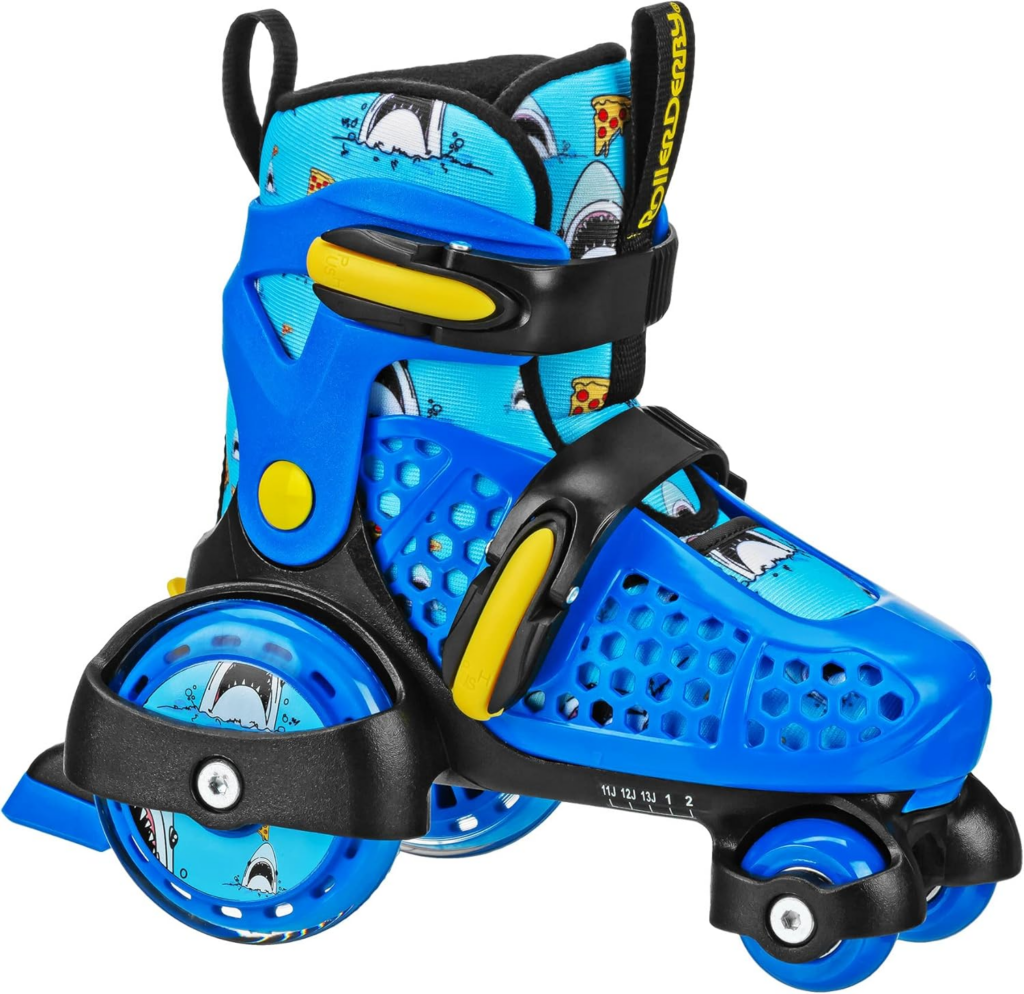
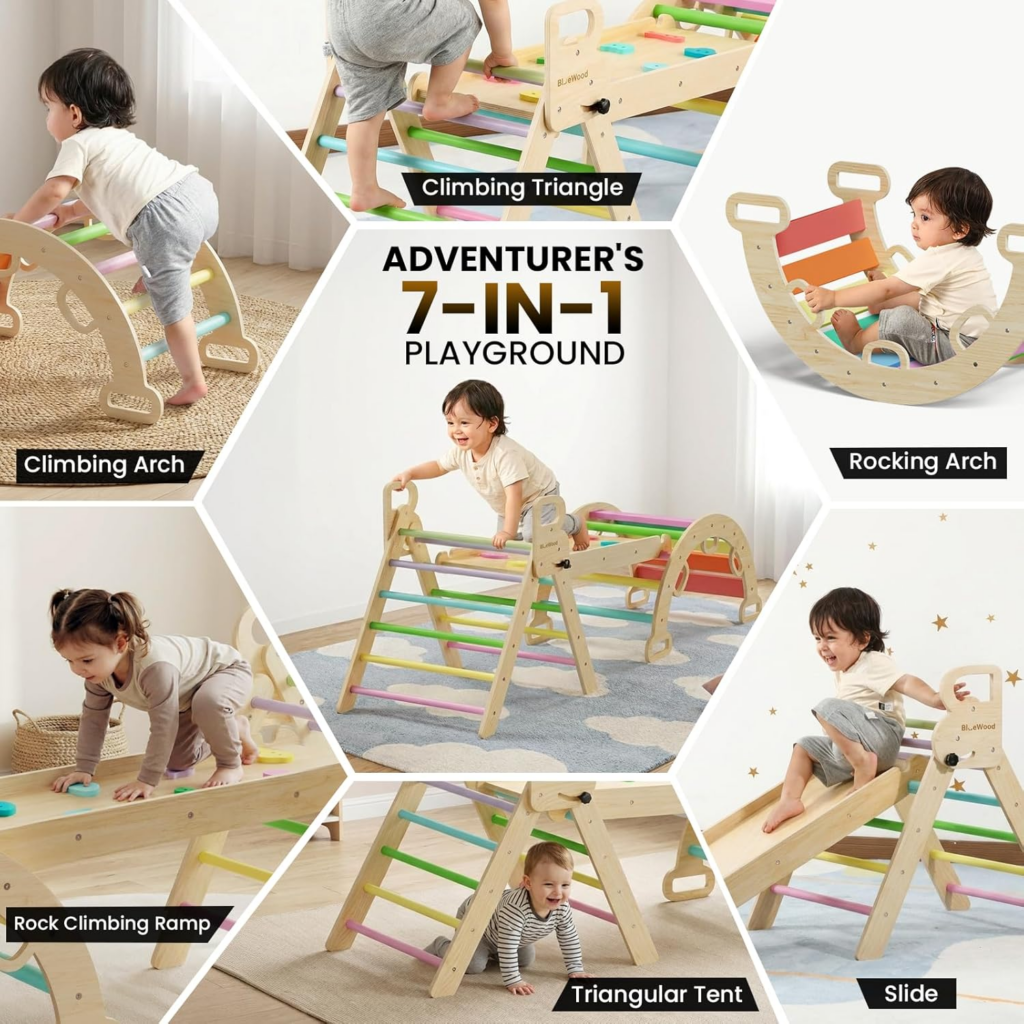
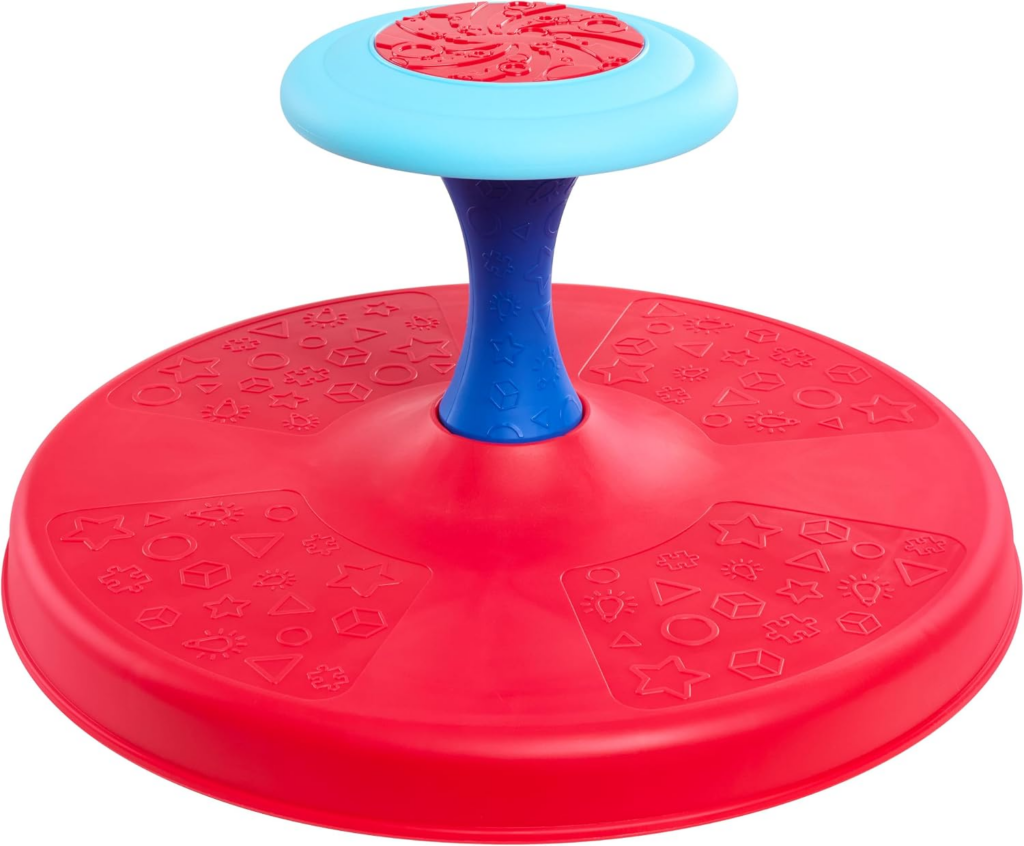
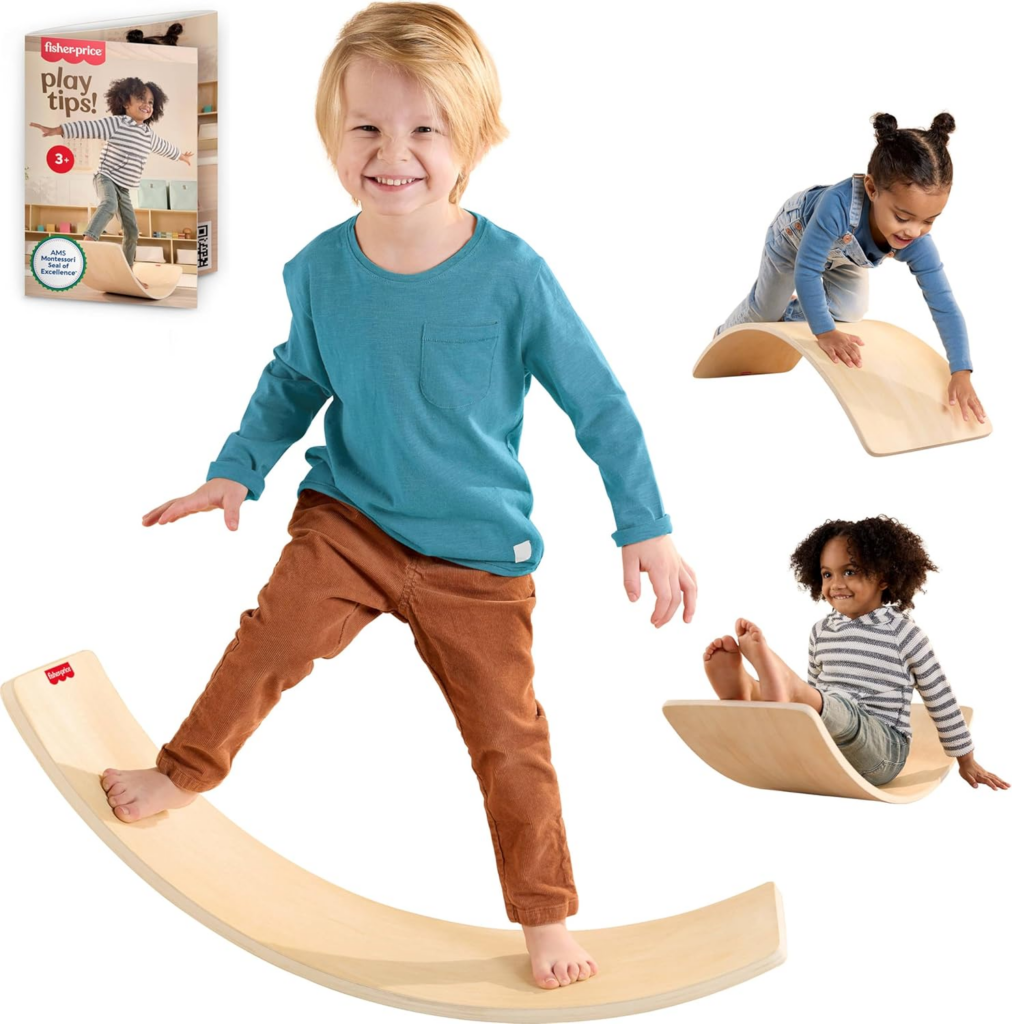
The last way to encourage inside movement with preschoolers is to set up some indoor play with active toys. Taking the cushions off the couch and jumping onto them or putting a mattress in the living room for jumping on or rolling on can encourage movement. Ride-on toys or tricycles, especially if you have an area of your house without carpet that is large enough to go round and round would be a fun movement activity. You could even do roller skates around the kitchen island if your children are a bit older. Inside movement could be with a Pikler Triangle, sit n’spin, or rocker board.
You can set up an obstacle course with pillows to jump on across the floor and a play tunnel to go through. There are many ways to create an inviting space within your home to get your child moving their body. Although you can create active play with the materials in your home, like having a pillow fight or jumping on a bed, it can be helpful to buy toys that can facilitate active play inside. Here are some suggestions for toys to buy. This is not a full list, just some suggestions, depending on budget, to get you started. I will provide suggested ages for each, but please buy according to your individual child’s development.
Wrapping up so you can go move
Your child will enjoy all of these ways of moving their body inside and I would encourage using a variety of ways to facilitate movement play. Changing up the games and the active toys in your house can keep your children engaged longer and using different muscles. Active play in your home is wonderful for tiring out children and helping them sleep better, but it is also for developing gross motor skills.
A healthy well-developed body is not just good for health but is also good for the brain. There is a natural progression in gross motor skills that need to happen and be completed before a child is ready for academics. Having the core strength to sit at a table or desk for a period of time is important if your child is going to go to school for kindergarten, but it is also important for daily life and health.
Check out my post on outdoor spaces to also get your preschooler moving.
How to Make My Backyard Better for Preschoolers – hummingbirdhomelife.com
Happy Moving!
Leave a Reply